Feb 05, 2026
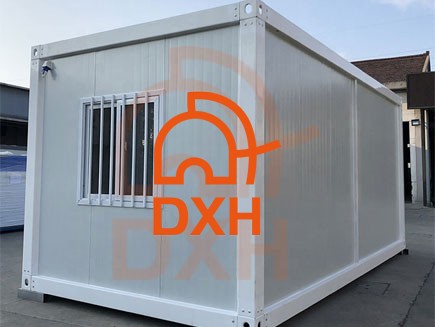
Domy z płaskimi paczkami zyskują na popularności ze względu na przystępną cenę, przyjazność dla środowiska i szybki montaż. Są szczególnie atrakcyjne w regionach z niedoborem mieszkań, ponieważ ich produkcja i montaż znacznie przewyższają tradycyjne budynki. Jak Raport ResearchAndMarkets.comDo 2026 roku trend w budownictwie prefabrykowanym będzie ewoluował od budownictwa tymczasowego w kierunku zrównoważonych rozwiązań mieszkaniowych. Przewiduje się, że globalny rynek wzrośnie ze 142,99 mld dolarów w 2025 roku do 153,79 mld dolarów, co oznacza średnioroczną stopę wzrostu (CAGR) na poziomie 7,6%. Niezależnie od tego, czy chcesz zbudować tymczasowe studio na swoim podwórku, domek letniskowy, niedrogie stałe miejsce zamieszkania czy nieruchomość pod wynajem, te modułowe domy w płaskich paczkach oferują niedrogi i zrównoważony sposób budowania. Dlaczego warto wybrać dom w paczkach? Dom kontenerowy w płaskim opakowaniu to prefabrykowany dom zbudowany z ram ze stali kortenowskiej. Te modułowe elementy są produkowane poza placem budowy, sprawnie transportowane w formie płaskich opakowań (takich jak podłogi, dachy lub ściany, ramy, a często również wstępnie zamontowane drzwi i okna) i montowane na fundamencie. Oszczędność: Oszczędność do 50% na kosztach robocizny i materiałów w porównaniu z tradycyjnym budownictwem. Zmniejsza to nakład pracy na miejscu i umożliwia rygorystyczną kontrolę jakości.Szybkość budowy: Gdy fundamenty są już gotowe, stalową ramę i panele można przykręcić i zespawać w ciągu kilku dni lub tygodni (a nie miesięcy), zatrudniając przy tym niewielką siłę roboczą.Zrównoważony rozwój: Stosowanie nadających się do recyklingu stalowych ram konstrukcyjnych i energooszczędnych materiałów izolacyjnych pozwala na stosowanie zrównoważonych praktyk budowlanych przy jednoczesnej redukcji odpadów budowlanych.Konstrukcja modułowa: Domy w paczkach są dostępne w standardowych rozmiarach lub dostosowane do indywidualnych potrzeb. Dodatkowo, moduły można układać w stosy lub łączyć, aby uzyskać większą przestrzeń życiową.Elastyczność: Domy składane w płaskich paczkach idealnie nadają się do wykorzystania jako główne miejsca zamieszkania, budynki gospodarcze, domki letniskowe, kwatery pracownicze, tymczasowe powierzchnie biurowe lub mieszkania awaryjne. Przygotowanie narzędzi i planowanie miejsca Do montażu domów z płaskich kontenerów nie są potrzebne żadne ciężkie dźwigi ani specjalistyczne maszyny — wystarczy precyzyjna obsługa i odpowiednie narzędzia. Zestaw narzędzi Narzędzia elektryczne: wiertarka udarowa, wkrętarka elektryczna, piła tarczowa (opcjonalnie, do cięcia niestandardowego).Narzędzia do poziomowania: Poziom laserowy lub poziom wysokiej jakości (niezbędny do wyrównywania konstrukcji).Narzędzia ręczne: gumowy młotek, klucz nastawny, zestaw kluczy nasadowych, wytrzymała drabina.Sprzęt bezpieczeństwa: kask, rękawice, okulary ochronne, kamizelka odblaskowa. Wymagania dotyczące witryny Wybór miejsca i pozwolenia: Niezależnie od tego, czy planujesz tymczasową, czy stałą budowę, zapoznaj się z lokalnymi przepisami planistycznymi i przestrzegaj ich.Prace fundamentowe: Stabilność domu kontenerowego zależy od jakości fundamentu. Można zastosować prostą podstawę betonową, fundament palowy, a nawet równą warstwę żwiru, w zależności od potrzeb domu.Planowanie mediów: Przed ułożeniem podłogi należy oznaczyć miejsca przyłączy wody, ścieków i prądu. Dom z kontenerów w paczkach – instrukcja montażu krok po kroku 1. Zamontuj ramę bazową Otwórz ocynkowaną stalową ramę podłogową i przymocuj ją do przygotowanego fundamentu za pomocą śrub kotwiących. Wskazówka: Użyj poziomicy laserowej, aby upewnić się, że rama jest idealnie wypoziomowana we wszystkich kierunkach. Nawet niewielkie odchylenia mogą prowadzić do późniejszych problemów konstrukcyjnych. 2. Zamontuj słupki narożne i słupki podporowe Mocowanie prefabrykowanych słupków narożnych do ramy podstawy za pomocą śrub zapewnia integralność strukturalną całego budynku. Typowy błąd: Nie dokręcaj śrub zbyt mocno na tym etapie — zastosuj ostateczny moment dokręcania dopiero, gdy cała rama będzie kwadratowa i wypoziomowana. 3. Montaż zespołu paneli dachowych Podnieś panel dachowy (zazwyczaj w jednej lub dwóch sekcjach) i przykręć go do słupków narożnych. Nowoczesne konstrukcje z płaskimi elementami obejmują wbudowane rynny i spadki do odprowadzania wody. Kontrola kluczowa: Upewnij się, że wszystkie połączenia dachu są idealnie wyrównane, aby zapewnić szczelność i odporność domu na warunki atmosferyczne. 4. Zamontuj panele ścienne i łączniki drzwi/okien Wsuń prefabrykowane panele izolacyjne (zazwyczaj z rdzeniem z EPS, wełny mineralnej lub poliuretanu) w wyznaczone prowadnice. Zamontuj prefabrykowane drzwi i okna z ramą aluminiową w odpowiednich gniazdach. Uwagi dotyczące izolacji: Te płyty warstwowe zapewniają doskonałą izolację termiczną (wartość R porównywalna z budynkami konwencjonalnymi) i izolację akustyczną. 5. Uszczelnianie i zabezpieczanie przed warunkami atmosferycznymi Do uszczelnienia wszystkich szwów, narożników i przejść należy użyć wysokiej jakości uszczelniacza silikonowego lub poliuretanowego. Zwróć uwagę na połączenie dachu ze ścianą oraz wokół drzwi i okien. Ten krok jest kluczowy dla poprawy efektywności energetycznej i zapobiegania przeciekom. 6. Połączenia wewnętrzne i użytkowe Chociaż samą konstrukcję można zmontować samodzielnie, to okablowanie elektryczne, prace wodno-kanalizacyjne i wykończenie wnętrza powinny zostać wykonane przez wykwalifikowanych fachowców, zgodnie z lokalnymi przepisami. 7. Wykończenie wnętrz Po zamknięciu domu z kontenera, można zainstalować w nim okablowanie, hydraulikę i wewnętrzne ścianki działowe. Entuzjaści mogą spersonalizować swoje domy, montując podłogi i szafki na zamówienie. Gotowy na rozpoczęcie przygody z domem modułowym? Domy w kontenerach oferują wygodną drogę do niedrogiego, zrównoważonego i nowoczesnego stylu życia. Wyślij nam swoje wymagania za pomocą poniższego formularza kontaktowego, aby zobaczyć dostępne plany pięter domów kontenerowych i uzyskać spersonalizowaną wycenę swojego projektu. Często zadawane pytania Czy domy kontenerowe nadają się do stosowania w zimnym lub ekstremalnym klimacie? Tak. Materiały izolacyjne o dużej gęstości (wełna mineralna lub poliuretan) zapewniają doskonałą izolację, dzięki czemu nadają się zarówno do stosowania w regionach gorących, jak i zimnych. Czy jest tak samo solidna i trwała jak konstrukcja tradycyjna? Tak. Aby sprostać potrzebom obszarów narażonych na trzęsienia ziemi, konstrukcje stalowe oferują doskonałą odporność na trzęsienia ziemi i elastyczność konstrukcyjną, a projekty odporne na wiatry o sile huraganu cieszą się coraz większą popularnością. Czy modułowe domy kontenerowe można później przenieść w inne miejsce? Oczywiście. Cały moduł mieszkalny w płaskim opakowaniu można zdemontować, ponownie zapakować i przetransportować w nowe miejsce. Który rodzaj fundamentu jest najlepszy dla domów kontenerowych? Najczęściej stosuje się filary betonowe lub fundamenty monolityczne. Należy unikać ich umieszczania bezpośrednio na gruncie, aby zapobiec uszkodzeniom spowodowanym przez wilgoć.
CZYTAJ WIĘCEJ





 Obsługiwana sieć IPv6